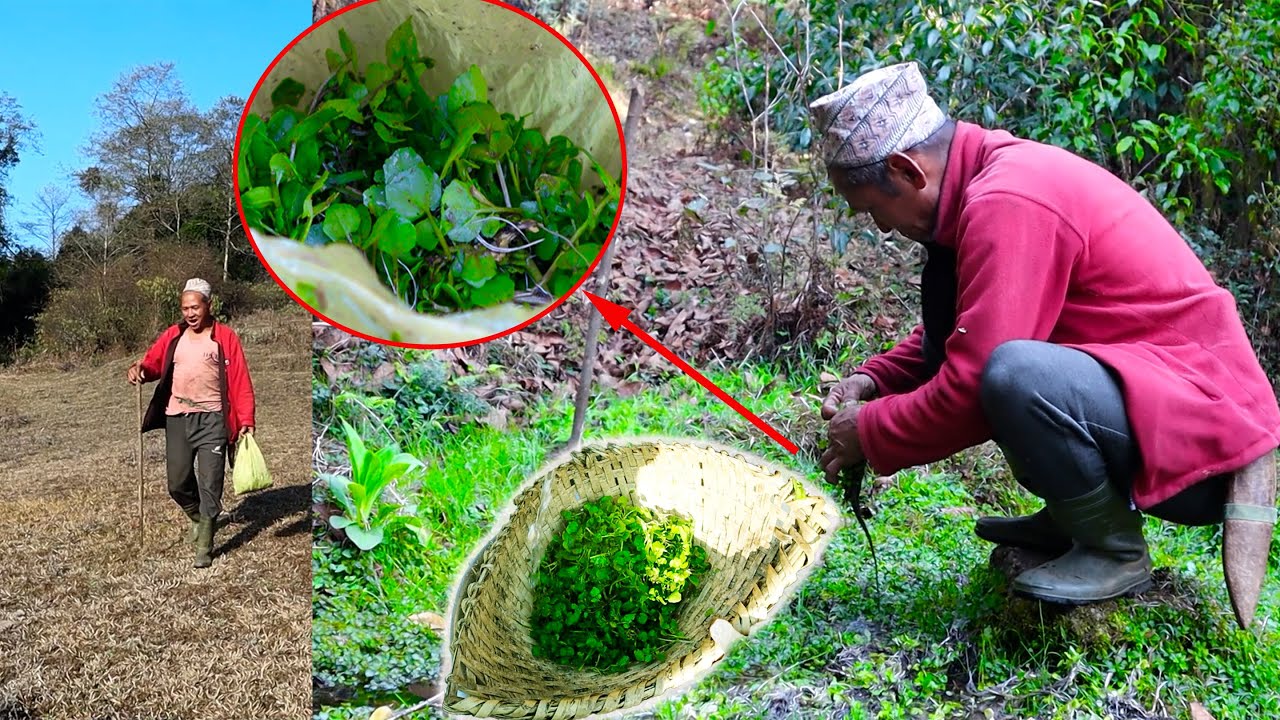
Wild Watercress: Unveiling Its Habitat, Decline, & Essential Foraging Tips
Often dubbed the "king of greens," watercress, known in German as Brunnenkresse, is a vibrant, peppery aquatic plant that has graced culinary traditions for centuries. A member of the vigorous Brassicaceae (mustard) family, it's a perennial herb renowned for its crisp texture and distinctive, slightly pungent flavour. Unlike its distant cousin, garden cress, true watercress (Nasturtium officinale) demands a very specific environment, thriving year-round in cool, clear water. Its ability to remain green even through winter, often bursting into delicate white flowers in early summer, makes it a resilient and captivating addition to the natural landscape. From fresh herb breads to revitalizing salads, its unique taste profile is highly sought after, leading many to seek it out in the wild, cultivate it at home, or responsibly Brunnenkresse kaufen from trusted suppliers.
The Pristine Habitats of Wild Brunnenkresse
Wild watercress derives its German name, Brunnenkresse, from "Brunnen" meaning spring or well, aptly reflecting its preferred natural abode. This herbaceous plant is a true aquatic specialist, flourishing primarily along the banks of pristine streams, bubbling springs, and other natural, unpolluted water sources. It's a clear indicator of a healthy ecosystem, as it shuns stagnant or contaminated conditions. While it can be found in many parts of Europe, North Africa, and Asia, its presence signifies a delicate balance of environmental factors.
The ideal environment for wild watercress is characterized by:
- Flowing Water: It absolutely thrives in moving water, which provides essential oxygen and nutrients, and helps to wash away debris.
- Nutrient-Rich Substrate: While it grows in water, its roots anchor into a rich, muddy, or silty bed, drawing sustenance from the underlying soil.
- Cool Temperatures: Although resilient, watercress prefers cool water temperatures, which promote its lush growth. Surprisingly, it can even be found in the warm thermal springs of Yellowstone National Park, showcasing its adaptability within specific niches.
- Light Conditions: It prefers sunny to semi-shady locations, where it can photosynthesize effectively without succumbing to excessive heat.
Visually, true watercress might be mistaken for bitter cress (Cardamine amara), another wild edible. Fortunately, bitter cress is also non-toxic, though its flavour profile is distinct. The intricate life cycle of watercress involves bees reaching nectar within its calyxes, while its tiny seeds, encased in pods, are dispersed by wind or even carried by water birds, further spreading its reach across suitable aquatic environments.
The Lamentable Decline of Wild Watercress Populations
Despite its hardy nature and wide distribution, wild watercress populations have experienced a significant decline over the past few decades. This is primarily a direct consequence of escalating environmental degradation and human impact on natural water systems. The very conditions that allow watercress to flourish – clean, flowing water – are increasingly under threat.
Key factors contributing to its decline include:
- Water Pollution: This is the most critical factor. Agricultural runoff containing pesticides and fertilizers, industrial discharge, and urban effluent contaminate streams and springs, making them uninhabitable for watercress. The plant simply cannot survive in polluted waters.
- Habitat Destruction: The channeling, damming, and alteration of natural waterways for development or flood control destroy or fragment watercress habitats.
- Eutrophication: Excessive nutrient load from pollution can lead to algal blooms, reducing oxygen levels in the water and creating an environment unsuitable for watercress.
- Climate Change: Changes in rainfall patterns and increased water temperatures can disrupt the delicate balance of aquatic ecosystems, impacting watercress growth.
This decline underscores the importance of protecting our natural water resources and highlights why, for many, the safest and most reliable option is to Brunnenkresse Kaufen: Guide to Buying, Growing, and Uses from certified organic growers or to cultivate it at home.
Essential Tips for Safe Wild Watercress Foraging
If you're drawn to the allure of foraging your own wild watercress, it's crucial to approach it with caution, knowledge, and a deep respect for both your health and the environment. Unsafe foraging can lead to health risks, so always prioritize safety and sustainability.
1. Prioritize Water Purity Above All Else
This cannot be stressed enough: only forage watercress from absolutely pristine, untouched water sources. Avoid any areas that could be exposed to:
- Agricultural runoff (pesticides, herbicides, animal waste).
- Industrial discharge.
- Urban areas or drainage from roads and residential zones.
- Pastures with livestock, as parasites like liver fluke (Fasciola hepatica) can be a risk in water contaminated by sheep or cattle feces.
- Stagnant or slow-moving water, which can harbor harmful bacteria like E. coli or other pathogens.
A good rule of thumb: if you wouldn't drink the water, don't forage the cress. Look for clear, fast-flowing streams far from human habitation or agricultural activity.
2. Correct Identification
While watercress has a distinctive look, ensure you can confidently identify it. It has small, round to oval, dark green leaves on hollow stems. The taste is unmistakably peppery. As mentioned, it can resemble bitter cress, which is safe to eat but lacks the true watercress flavour. Avoid anything you cannot 100% identify.
3. Visual Inspection & Cleaning
Even from seemingly clean sources, always inspect your harvested watercress carefully. Look for:
- Insect Larvae: Small insects or their larvae can cling to leaves.
- Debris: Bits of leaves, twigs, or silt from the streambed.
Upon returning home, thorough cleaning is paramount:
- Rinse the watercress under cold running water multiple times.
- Consider soaking it in a bowl of cold water with a splash of white vinegar for about 10-15 minutes, which can help dislodge any remaining organisms or dirt.
- Drain and pat dry gently before use.
4. Sustainable Foraging Practices
To ensure watercress continues to thrive, forage responsibly:
- Harvest Sparingly: Take only what you need and leave plenty for the plant to recover and for wildlife.
- Leave Roots Intact: Cut stems above the water level, allowing the plant to regrow from its roots.
- Avoid Flowering Plants: While edible, watercress can become slightly more bitter once it flowers. Harvesting before this stage (typically early spring to late spring) ensures the best flavour and allows the plant to set seeds later.
Cultivating Your Own Watercress: A Safe & Rewarding Alternative
Given the challenges and risks associated with wild foraging, cultivating your own watercress offers a rewarding and safe alternative. Mimicking its natural habitat is key, but it doesn't necessarily require a stream in your backyard. You can easily Grow Your Own Brunnenkresse: Balcony Tips & Red Watercress even in urban settings.
For cultivation:
- Container Method: Use a shallow container or tray. Fill it with a mix of rich soil and compost, then add water until only the plant tips are above the surface.
- Constant Moisture: Watercress needs constant moisture. Ensure the container never dries out.
- Oxygenated Water: Crucially, the water needs to be oxygen-rich. Drain and replenish the water at least once a week. This prevents stagnation and promotes healthy growth.
- Sowing: Sow seeds in early spring (around March). Within a few weeks, and certainly by May before it flowers, you'll be rewarded with fresh, peppery leaves.
- Space: Despite its specific needs, watercress doesn't require a vast amount of space, making it suitable for balconies or patios.
No special fertilizers are usually needed if you start with good soil, as the fresh water provides adequate nutrients.
Varieties Beyond the Wild: True vs. Red Watercress
When you decide to Brunnenkresse kaufen, you might encounter different varieties. The most common in Europe, besides the true watercress (Nasturtium officinale), is red watercress (Nasturtium officinale 'Red' or sometimes Nasturtium microphyllum). Red watercress is often a sub-form of true watercress, distinguished by its beautiful reddish-purple stems and leaves. While its flavour is similar, its striking colour makes it particularly popular for decorative purposes, providing a vibrant contrast in salads and garnishes.
Conclusion: Appreciating Brunnenkresse
Wild watercress is more than just a culinary delight; it's a testament to the purity of our natural water systems and a plant that commands respect for its resilience and specific environmental needs. Its decline in the wild serves as a potent reminder of our impact on the environment. Whether you choose the adventurous path of careful, responsible foraging, the rewarding experience of cultivating it yourself, or the convenience of finding where to Brunnenkresse kaufen from a reputable source, appreciating the story behind this peppery green adds depth to every bite. By understanding its habitat, acknowledging its challenges, and practicing safe methods, we can all enjoy the vibrant flavour and health benefits of this remarkable aquatic herb.