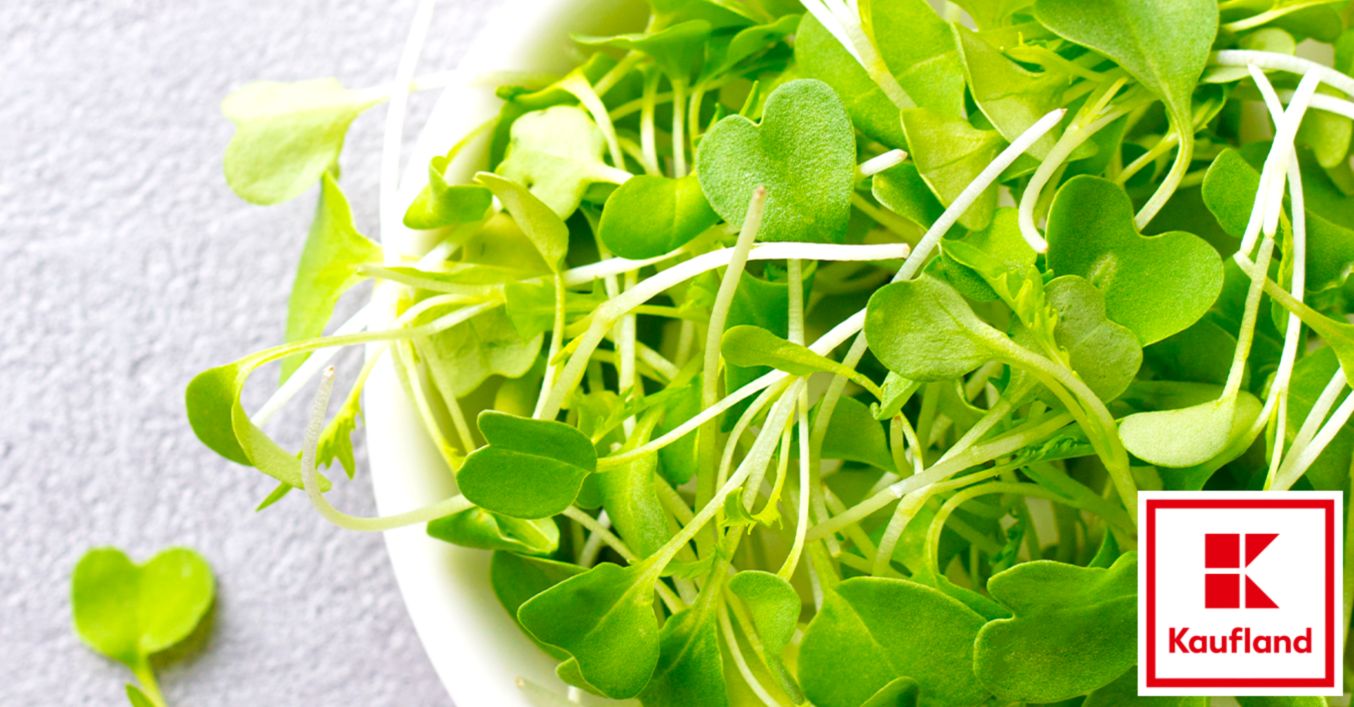
Discovering Brunnenkresse: The Versatile Aquatic Green
Often referred to simply as watercress or Wasserkresse,
Brunnenkresse is a culinary delight celebrated for its crisp texture and distinctive peppery, slightly pungent flavor. This remarkable herbaceous plant, belonging to the diverse Brassicaceae family (which also includes mustard and cabbage), is not just a treat for the taste buds but also a powerhouse of nutrition. Known for its perennial nature, Brunnenkresse bravely stays green even through winter, and in early summer, it adorns itself with delicate white flowers. Its name, "Brunnenkresse" (spring cress), perfectly reflects its natural habitat: thriving in the clear, flowing waters of springs, streams, and other pristine aquatic environments. If you're looking to enhance your dishes with a burst of fresh flavor, understanding where and how to get your hands on this fantastic herb is the first step.
Brunnenkresse Kaufen: Your Options for Freshness
When considering how to incorporate this vibrant green into your diet, you essentially have three main avenues: purchasing it from stores, buying it online, or responsibly foraging for it in the wild. Each option presents its own benefits and considerations.
Purchasing Brunnenkresse in Stores or Online
For many, the most straightforward way to enjoy watercress is to
Brunnenkresse kaufen directly from a retailer. You'll often find fresh bundles of watercress in the produce section of well-stocked supermarkets, health food stores, and specialty greengrocers. When buying, look for vibrant, deep green leaves without any signs of wilting or yellowing. The stems should be firm and crisp.
Online, you might find Brunnenkresse seeds or young plants for cultivation, particularly from garden centers or herbal nurseries that ship across regions. While fresh watercress itself is less commonly sold pre-packaged for delivery due to its delicate nature and short shelf life, it's worth checking local organic delivery services or farmer's market online platforms. Buying fresh ensures convenience and immediate availability, allowing you to enjoy its fresh taste as a delicious bread topping or in a vibrant salad right away.
The Appeal and Cautions of Wild Foraging
The idea of gathering fresh Brunnenkresse directly from nature is undoubtedly appealing. Wild watercress grows abundantly along the banks of clean streams and springs, particularly favoring flowing, nutrient-rich, and cool waters. Its presence in diverse environments, from European brooks to the warm thermal springs of Yellowstone National Park, highlights its adaptability.
However, wild foraging comes with significant responsibilities and crucial safety warnings. Unfortunately, due to increasing water pollution, wild watercress habitats are not as widespread or pristine as they once were. If you choose to forage, adhere strictly to these guidelines:
- Ensure Water Purity: Only collect Brunnenkresse from absolutely clean, unpolluted water sources. Contaminated water can harbor harmful bacteria, parasites (like liver flukes), or agricultural runoff, making the watercress unsafe for consumption.
- Identify Correctly: While real watercress has a distinct look, it can sometimes be confused with other aquatic plants. Fortunately, its visual resemblance to bitter cuckoo flower (Cardamine amara) is harmless, as the latter is not poisonous. However, always be 100% certain of your identification.
- Inspect Thoroughly: Before consumption, meticulously check the leaves and stems for any insect larvae or other foreign matter.
- Clean Rigorously: Even from seemingly clean sources, wash your foraged watercress thoroughly under running water.
For more in-depth advice on identifying safe habitats and preventing contamination, explore our guide on
Wild Watercress: Habitat, Decline, & Safe Foraging Tips.
Cultivating Your Own Brunnenkresse: A Step-by-Step Guide
For those who prefer knowing exactly where their food comes from, or simply enjoy the satisfaction of growing their own herbs, cultivating Brunnenkresse at home is a rewarding alternative to simply opting for
Brunnenkresse kaufen. While it might seem challenging due to its aquatic nature, it's surprisingly achievable, even in urban settings like a balcony. The key is to mimic its natural habitat as closely as possible.
Setting Up Your Watercress Garden
To successfully grow watercress, you'll need a container that can hold both soil and ample water. A long, shallow planter box or a large, waterproof tub works perfectly.
- Choose Your Container: Select a non-toxic, waterproof container. Ensure it's large enough to give the roots space but shallow enough for light to reach the submerged stems.
- Prepare the Medium: Fill the bottom of your container with about 2-3 inches of rich potting soil or compost. Watercress thrives in nutrient-rich conditions.
- Sowing the Seeds: The ideal time to sow watercress seeds is in early spring, typically around March. Lightly scatter the seeds over the soil surface. You can also plant young watercress cuttings directly into the soil.
- Add Water: This is the crucial step. Carefully fill the container with fresh water until the soil is fully saturated and the water level covers the soil, leaving only the very tips of the plant stems or just above the germinating seeds exposed.
- Oxygenation and Cleanliness: Watercress requires oxygen-rich and clean water. This means you must drain and replenish the water at least once a week, preferably every few days. This prevents stagnation and provides fresh oxygen for the roots.
- Location and Light: Place your container in a sunny or partially shaded location. While cool water temperatures promote growth, the plants themselves appreciate adequate sunlight.
- No Special Fertilizers: Happily, Brunnenkresse rarely requires special fertilizers, especially if you start with nutrient-rich soil and regularly replenish the water.
With a little care, you'll be rewarded with fresh watercress leaves ready for harvest just before the flowering period in May. The effort, though requiring regular attention to water quality, is minimal for the continuous supply of fresh herbs it provides. For more creative setup ideas and specific considerations for growing in urban spaces, including information on the decorative Red Watercress, check out our article
Grow Your Own Brunnenkresse: Balcony Tips & Red Watercress.
Beyond the Basics: Varieties and Culinary Delights of Brunnenkresse
While the term "Brunnenkresse" usually refers to the common green watercress (
Nasturtium officinale), there are interesting variations to explore. In Europe, alongside the true watercress, you might encounter
Red Watercress (Rote Brunnenkresse). This is essentially a subform of true watercress, distinguished by its beautiful reddish leaves. While it shares the same peppery flavor, its striking color makes it particularly popular for adding visual appeal and a contrasting decorative touch to salads and dishes.
Culinary Applications and Nutritional Powerhouse
The fresh, vibrant taste of Brunnenkresse makes it an incredibly versatile ingredient in the kitchen. Its characteristic peppery bite adds a wonderful zing to a variety of meals:
- Classic Topping: As mentioned, it's fantastic simply piled onto fresh bread, perhaps with a sprinkle of salt and a drizzle of olive oil.
- Salads: Watercress provides a zesty, peppery counterpoint to milder greens in mixed salads. It pairs beautifully with citrus, nuts, and cheeses.
- Soups and Sauces: Blend watercress into creamy vegetable soups for a vibrant green color and a fresh, spicy kick. It can also be incorporated into pestos or light sauces for pasta or fish.
- Sandwiches and Wraps: Add a generous handful to sandwiches and wraps for an extra layer of flavor and crunch.
- Garnish: Its delicate leaves and stems make it an attractive garnish for almost any savory dish.
- Smoothies: For a nutrient boost, a small amount of watercress can be added to green smoothies, though its strong flavor means a little goes a long way.
Beyond its exquisite taste, Brunnenkresse is lauded for its impressive nutritional profile. It's packed with vitamins, including vitamin K (essential for blood clotting and bone health), vitamin C (a powerful antioxidant), and vitamin A (important for vision and immune function). It also contains significant levels of minerals such as calcium, manganese, potassium, and iron. Its high antioxidant content and glucosinolates contribute to its reputation as a superfood with potential anti-inflammatory and health-protective properties.
Conclusion
Whether you decide to
Brunnenkresse kaufen from your local market, meticulously forage for it in pristine natural settings, or embark on the rewarding journey of growing it yourself, incorporating this exceptional aquatic green into your diet is a decision your taste buds and your health will thank you for. From its distinctive peppery flavor that elevates simple bread to its role as a nutritional powerhouse in elaborate dishes, Brunnenkresse offers a truly unique culinary experience. Embrace its versatility and discover the fresh, vibrant world of watercress.