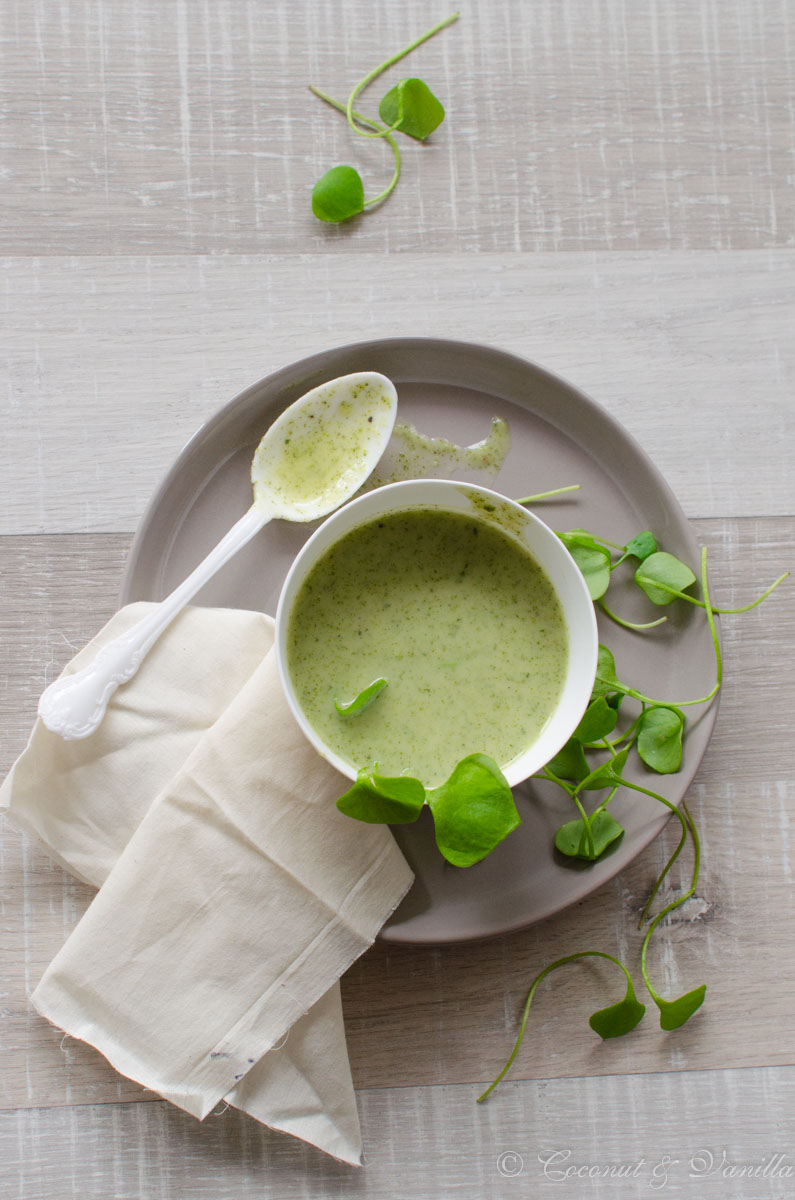
Grow Your Own Brunnenkresse: Balcony Tips & Red Watercress
Imagine stepping onto your balcony and plucking fresh, peppery greens to elevate your breakfast, salad, or soup. This dream can become a reality with Brunnenkresse, also known as watercress. Renowned for its distinctive taste and health benefits, watercress is often perceived as a wild, elusive plant. However, with a little know-how, you can cultivate this aquatic wonder even in compact urban spaces. While many might opt to simply
Brunnenkresse kaufen from a specialty store, the satisfaction of growing your own is unparalleled. This guide will walk you through transforming your balcony into a vibrant watercress haven, even introducing you to the beautiful red variety.
Discovering the Delight of Brunnenkresse (Watercress)
Brunnenkresse, botanically known as *Nasturtium officinale*, is more than just a garnish; it's a powerhouse of flavor and nutrition. Belonging to the Brassica family (cruciferous vegetables), it shares relatives like broccoli and kale, yet boasts a unique, crisp, and slightly pungent taste that sets it apart. This perennial herb is an evergreen beauty, maintaining its lush green foliage even through winter and gracing us with delicate white flowers in early summer. Its name, "Brunnenkresse" (spring cress) or "Wasserkresse" (watercress), directly points to its natural affinity for fresh, flowing water sources like springs, streams, and marshlands.
Visually, true watercress might be mistaken for its non-toxic cousin, bitter cress (*Cardamine amara*), but its culinary impact is distinctly superior. The fresh, peppery zest of watercress makes it an incredibly versatile ingredient. It's a classic topping for open-faced sandwiches, a lively addition to salads, a flavorful base for vibrant green soups, and an unexpected kick in sauces and pestos. Historically and geographically, Brunnenkresse has been a culinary staple across vast stretches of Europe, North Africa, and Asia, a testament to its enduring appeal and adaptability. While its nectar-rich flowers primarily attract bees, its seeds are ingeniously dispersed by wind and water birds, showcasing nature's efficiency.
The Wild Heart of Watercress: Habitat and Conservation
Unlike its more terrestrial relative, garden cress, Brunnenkresse has a deep connection to aquatic environments. Its natural habitat is typically found along the edges of pristine, flowing streams, springs, and other clean, nutrient-rich water bodies. These conditions, characterized by cool temperatures and continuous water flow, are crucial for its thriving growth. It's fascinating to note its resilience, as it can be found everywhere from partially shaded stream banks to the warm thermal springs of Yellowstone National Park, demonstrating its capacity to adapt to varied water temperatures as long as the quality is high.
Unfortunately, the wild presence of watercress has significantly diminished over recent decades. Human activities, particularly the pollution of natural water sources, have taken a heavy toll on its delicate ecosystems. The very clear, clean, and oxygen-rich water that watercress needs to flourish is increasingly scarce. This decline underscores the importance of mindful sourcing. If you're considering foraging, extreme caution is advised. It's imperative to ensure the water source is absolutely unpolluted and to thoroughly inspect and clean the leaves to avoid any contaminants or insect larvae. For a deeper dive into safe foraging practices and the challenges facing wild watercress, you might find our article on
Wild Watercress: Habitat, Decline, & Safe Foraging Tips particularly insightful. Due to these environmental concerns, cultivating your own Brunnenkresse at home becomes not just a hobby, but a sustainable and safe alternative.
Grow Your Own Brunnenkresse: Balcony Oasis Awaits!
The good news is, you don't need a babbling brook in your backyard to enjoy fresh Brunnenkresse. With a bit of creativity, your balcony, patio, or even a sunny windowsill can become a productive watercress patch. The key is to closely mimic its natural, water-rich environment.
Choosing the Right Setup
*
Containers: A plastic storage bin, an old bathtub, a sturdy trough, or even a deep planter without drainage holes (or with sealed ones) can work. The container should be at least 8-12 inches deep to allow for adequate water levels.
*
Self-Watering Systems: Consider repurposing an old aquarium or constructing a simple hydroponic system for continuous water circulation, though a static water bath is often sufficient for beginners.
*
Mini Ponds: For a more ambitious project, a small pre-formed pond liner can create an ideal watercress environment.
Mimicking Nature: The Importance of Water
This is the most critical aspect of successful watercress cultivation.
*
Planting Medium: Start by filling your chosen container with about 4-6 inches of a rich, non-peat-based potting mix or garden soil. Watercress isn't overly picky about soil type, as its primary nutrient uptake is from the water.
*
Sowing Seeds or Planting Cuttings: If you plan to
Brunnenkresse kaufen as seeds, sow them sparsely on the surface of the soil in March or early spring. Gently press them in. If you're using cuttings or young plants (which you can often find when you
Brunnenkresse kaufen from a nursery), plant them shallowly in the soil.
*
The Water Bath: After planting, gradually fill your container with water until only the very tips of the plants are peeking out above the surface. The goal is to keep the soil consistently saturated and the roots submerged.
*
Water Quality and Renewal: This is paramount. Watercress thrives in oxygen-rich, clean water. You must drain and replace the water at least once a week – more frequently in warmer weather or if you notice any stagnation or discoloration. This regular renewal ensures oxygenation and prevents the buildup of harmful bacteria.
Light & Temperature
Brunnenkresse prefers a location with plenty of sunlight, ideally full sun to partial shade. While it loves the warmth of the sun, it also benefits from cool water temperatures. If your balcony gets intensely hot, consider providing some afternoon shade or placing your container in a spot where it receives morning sun but is shielded from the most scorching afternoon rays.
Maintenance & Harvest
Watercress is generally low-maintenance once its water needs are met. Unlike many other herbs, it typically doesn't require special fertilizers; the nutrients in the initial soil and fresh water are usually sufficient.
*
Regular Trimming: Pinch off the top few inches of growth regularly to encourage bushier plants and prevent them from flowering too early.
*
Harvesting: You'll be rewarded with a bountiful harvest relatively quickly! Begin harvesting your fresh leaves just before the plant is due to flower, which is typically around May. Simply snip the stems with sharp scissors, leaving some growth behind to encourage new shoots. Consistent harvesting will extend your plant's productivity.
*
Pest Control: Keep an eye out for common pests like aphids. A gentle spray of water can often dislodge them, and ensuring good air circulation helps.
Despite the seemingly high effort of managing water, the space required for growing Brunnenkresse is surprisingly minimal, making it an ideal candidate for even the smallest of balconies.
Embracing Red Watercress for Beauty and Flavor
When you consider options to
Brunnenkresse kaufen, you might come across a captivating variant: red watercress (*Nasturtium officinale 'Reddish'* or similar cultivars). This isn't a completely different species, but rather a subspecies or cultivar of true watercress, distinguished by its stunning reddish-purple stems and leaves.
Red watercress shares the same crisp texture and peppery flavor profile as its green counterpart, making it equally delicious in culinary applications. However, its vibrant color adds an extraordinary visual appeal. Imagine sprinkling these ruby-hued leaves over a pale goat cheese salad, garnishing a creamy soup, or contrasting them against a platter of fresh vegetables. It's not just a treat for the palate but also for the eyes, elevating the aesthetic of any dish and adding a dash of drama to your balcony garden. Growing red watercress follows the exact same principles as green watercress, making it an easy and rewarding addition to your aquatic herb garden.
Beyond the Balcony: Where to Find Brunnenkresse (Brunnenkresse Kaufen)
While growing your own Brunnenkresse offers immense satisfaction and a steady supply of fresh greens, not everyone has the time, space, or inclination to cultivate it. Fortunately, it is still possible to
Brunnenkresse kaufen fresh from various sources.
*
Specialty Grocers: High-end supermarkets and health food stores often stock fresh watercress in their produce sections, typically alongside other delicate greens.
*
Farmers' Markets: Local farmers' markets, especially those with vendors specializing in unique herbs and produce, are excellent places to find fresh, often organically grown, watercress. This is often the freshest option outside of your own garden.
*
Online Retailers: For seeds or young plants, various online nurseries and garden supply stores offer options to
Brunnenkresse kaufen for your cultivation projects.
*
Selecting Fresh Watercress: When purchasing, look for vibrant, deep green (or reddish) leaves with firm, crisp stems. Avoid any bunches that show signs of wilting, yellowing, or sliminess, as these indicate it's past its prime.
Whether you choose to embrace the rewarding journey of growing it yourself or opt for the convenience of buying fresh watercress, its unique flavor and nutritional benefits make it a worthwhile addition to any kitchen. For a more detailed exploration of purchasing options, cultivation techniques, and culinary applications, be sure to check out our comprehensive
Brunnenkresse Kaufen: Guide to Buying, Growing, and Uses.
In conclusion, cultivating Brunnenkresse on your balcony is a truly rewarding experience. It transforms a small space into a productive mini-ecosystem, providing you with an endless supply of nutrient-dense, peppery greens. From understanding its wild origins to mastering its specific water needs, you now have the knowledge to embark on your own watercress growing adventure. Embrace the fresh taste, the vibrant colors of both green and red varieties, and the joy of homegrown produce. So, get your containers ready, embrace the water, and prepare to elevate your culinary creations with your very own Brunnenkresse!